
This is the last recipe;
Here is a short one;
Anything unrelated to defined categories
My son, ALI KHAN, got enrolled into SMLP summer of 2023 program. Click here to view details
Sense screen detached as many user experienced.
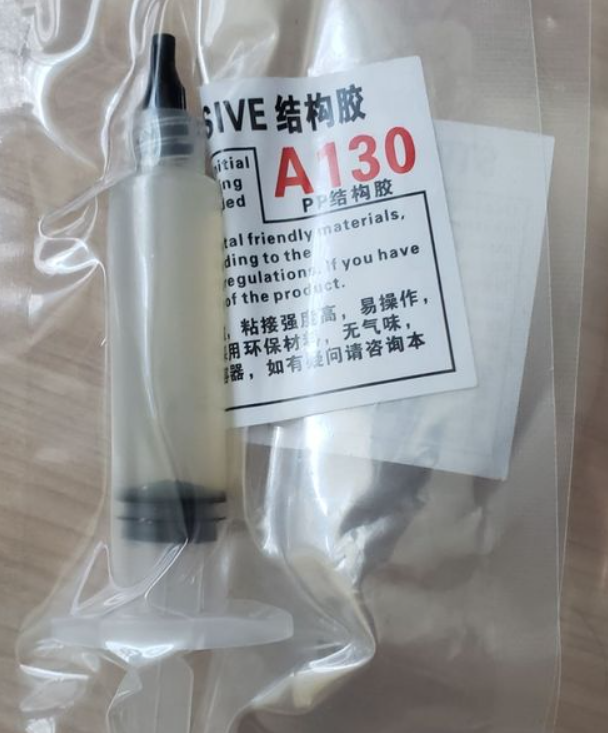
The key point of repair by youself is find the right glue.
as a display engineer, I aware of the most suitable fix method is TPU adhesive bonding, but it’s not easy to find heating tpu dispenser equipment, so I just want find the easy way to bond the screen.
The answer is A130 structure adhesive, you can find it in google, you can get one for 2 dollar.
The glue come with a needle, so you can easily apply to you frame of watch body. please make sure use a plasitic clip to apply force to body&screen for at least 3 hrs, now your screen secured!
Firstly I completely remove the residue of glue both on screen and frame.
secondly I use fine cotton swap (with small tip) wet by 99% alcohol to clean both surface of frame and screen
After 2 weeks I glued my watch face, today my sense detached it’s wristband on its own, the sense fall to the floor, it’s amazing the screen is still secured, that proves the fix for screen detached is successful!
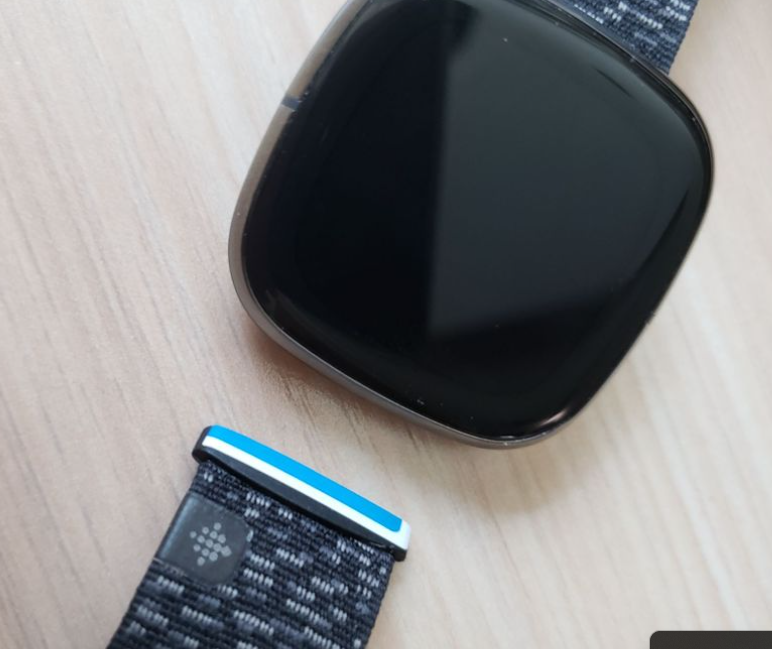
Now we have to deal the second detaching problem, the wristband came off.
I carefully look into the structure of connection, find the root cause for wristband came off is due to the snap fit clearance is a bit large! so you can easly fixed it by stick a piece of paper with a self-adhesive on the connection area, just like below photo. that’s it!
Continue reading on Fitbit community
Resources
Here are the numbers;
1, 2, 3, 5, 8, 13, 21
Here’s a simple example of the Fibonacci sequence in action:
The Rabbit Population Problem (the classic example)
Starting with one pair of rabbits:
The sequence: 1, 1, 2, 3, 5, 8, 13, 21…
Each number is the sum of the two previous numbers: 1+1=2, 1+2=3, 2+3=5, 3+5=8, and so on.
Real-world example you can observe: Look at a sunflower head. Count the spiral arms going clockwise, then counterclockwise. You’ll typically find Fibonacci numbers like 21 and 34, or 34 and 55. The seeds naturally arrange themselves in this pattern because it’s the most efficient way to pack them into the circular space.
Simple coding example (python):
def fibonacci(n):
    if n <= 1:
        return n
    return fibonacci(n-1) + fibonacci(n-2)

# First 10 Fibonacci numbers
for i in range(10):
    print(fibonacci(i))